
Find Hidden Biases in AI through Big Data Analysis
Artificial intelligence (AI) is revolutionising industries, but it is not without flaws. One of the most pressing issues it faces is bias. Whether due to
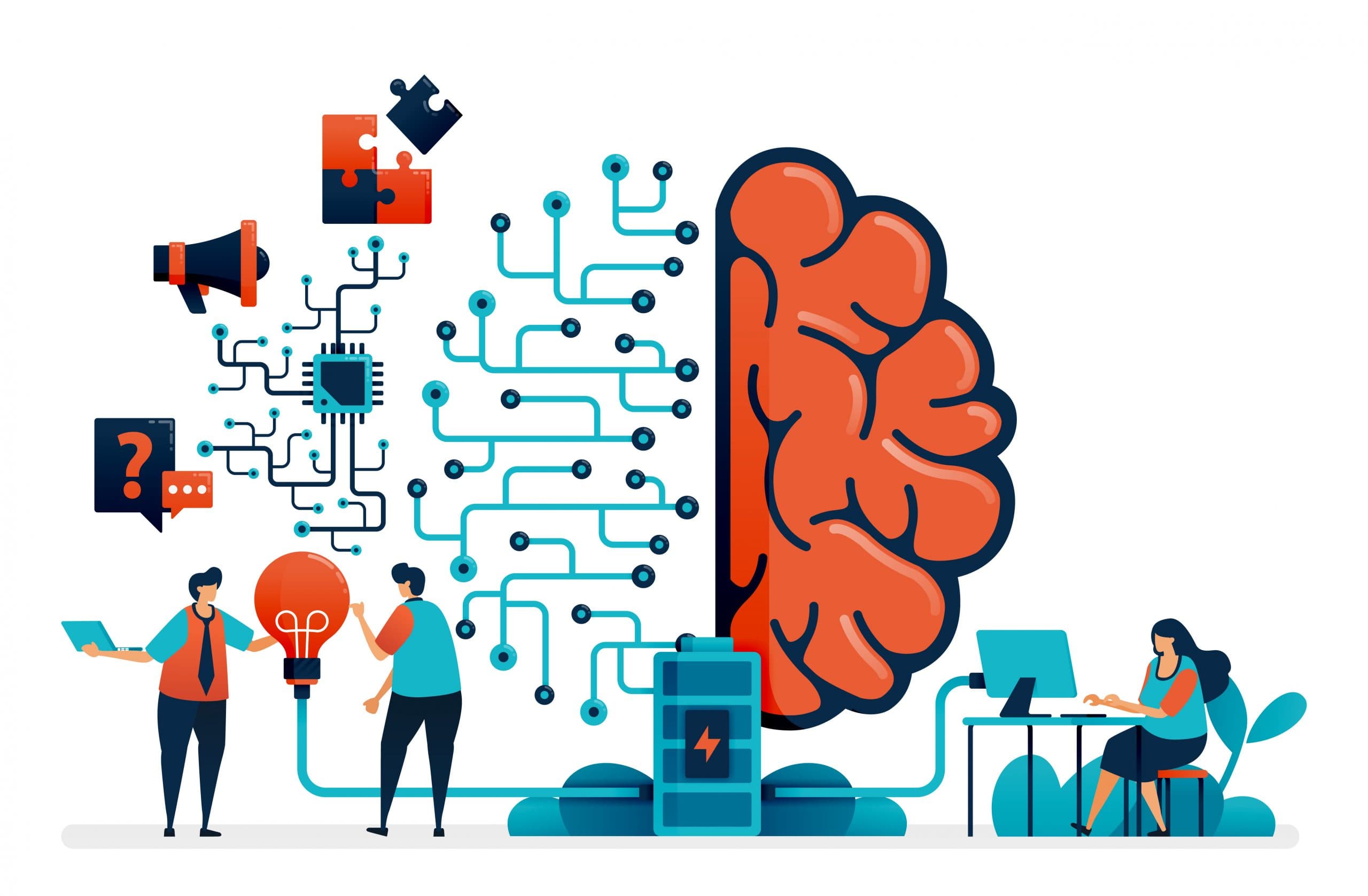
Artificial intelligence (AI) is revolutionising industries, but it is not without flaws. One of the most pressing issues it faces is bias. Whether due to skewed training data, flawed algorithms, or human influence, AI can unintentionally reinforce discrimination. If left unchecked, this can lead to unfair outcomes. However, big data analysis offers a powerful tool to help find hidden biases in AI and improve fairness.

Understanding Bias in AI
Bias in AI arises when algorithms produce prejudiced results. This often stems from the data used to train them. For example, an AI hiring system trained on historical recruitment data favouring one demographic will likely replicate that bias. Similarly, facial recognition software trained predominantly on lighter-skinned faces may struggle to accurately identify individuals with darker skin tones.
Bias can originate from multiple sources, including incomplete datasets, human-influenced labelling, and algorithmic flaws. Sometimes, even well-intended AI systems develop unintended prejudices due to hidden patterns in data. This is why it is crucial to find hidden biases in AI before they cause harm.
How Big Data Analysis Helps Detect Hidden AI Biases
Companies can easily use big data analytics to find hidden biases in AI. By leveraging vast amounts of data, organisations can identify, assess, and mitigate bias effectively.
Detecting Bias in Training Data
AI models depend on training data, but if that data lacks diversity, biases emerge. Through big data analysis, organisations can examine datasets at scale, identifying imbalances. For instance, if a loan approval model heavily favours certain demographics, it may exclude equally qualified applicants from underrepresented groups.
By scrutinising training datasets, analysts can highlight missing or overrepresented attributes. This allows for dataset rebalancing, ensuring AI systems function more equitably.
Auditing AI Decisions with Large-Scale Data
Beyond training data, bias can also exist in AI decisions. Large-scale data audits help identify whether AI consistently favours or disadvantages specific groups. By comparing AI-generated outcomes across different demographics, businesses can uncover disparities and take corrective action.
For example, if an AI-driven credit scoring system systematically assigns lower scores to certain communities despite similar financial histories, big data analysis can reveal this discrepancy. Once patterns emerge, companies can refine algorithms to promote fairer decision-making.
Using Machine Learning to Identify Bias Patterns
Machine learning itself can be used to spot bias. Unsupervised learning techniques, such as clustering, can uncover patterns in AI decisions that humans might overlook. AI models can also be trained to self-audit, flagging potential biases for further investigation.
With real-time data monitoring, organisations can implement proactive measures. This ensures AI models remain fair as they continue learning and evolving.
Techniques for Mitigating AI Bias Using Big Data
Big data analysis is a powerful tool for reducing bias in AI systems. By implementing targeted techniques, organisations can improve fairness and transparency in decision-making. From refining training data to applying fairness metrics, these strategies help ensure AI models do not perpetuate discrimination. The following methods provide a structured approach to mitigating bias and enhancing AI reliability.
Diversifying Training Datasets
A fundamental step in eliminating AI bias is ensuring diverse training data. Incorporating a wider range of demographics, geographies, and social groups prevents models from reinforcing existing prejudices.
Moreover, continuously updating datasets with real-world data helps AI adapt to societal changes. This ongoing refinement reduces bias and improves accuracy.
Applying Fairness Metrics and Bias Audits
Big data tools enable fairness assessments using predefined metrics. These metrics, such as demographic parity and equal opportunity, measure how AI systems treat different groups. Regular audits using big data ensure that biases are promptly detected and corrected.
Additionally, businesses can implement bias-mitigation algorithms that adjust decision-making processes. This helps balance outcomes and prevent discriminatory patterns from emerging.
Enhancing Explainability in AI Models
Transparency is key to trust in AI. If decision-making processes remain a mystery, addressing bias becomes difficult. Techniques such as SHAP (Shapley Additive Explanations) and LIME (Local Interpretable Model-agnostic Explanations) provide insights into AI decision-making.
By understanding how AI models arrive at conclusions, developers can detect and correct unfair influences. Furthermore, explainability builds user confidence, ensuring AI is both accountable and reliable.
Challenges in Identifying and Eliminating AI Bias
While big data analysis is essential in bias detection, it comes with challenges. Firstly, finding unbiased data is difficult, as many datasets already contain historical prejudices. Secondly, large-scale data processing requires significant computational power. Not all organisations have access to the necessary resources.
Moreover, modifying AI behaviour raises ethical questions. Some argue that intervention could lead to overcorrection, potentially disadvantaging previously favoured groups. Striking a balance between fairness and functionality is critical.
The Future of Bias-Free AI with Big Data Analysis
AI bias will likely remain a concern, but advancements in big data analysis can drive meaningful change. Future AI systems will incorporate self-regulating mechanisms that detect and neutralise bias automatically. Additionally, regulatory frameworks will continue evolving to enforce AI transparency and fairness.
With continuous monitoring and data-driven improvements, AI can become more inclusive. By prioritising fairness, businesses can ensure their AI models serve diverse communities equitably.
At Siprea, we have an experienced team of data analysts who can monitor, analyse and study the data to help you make informed decisions. Big data analytics is one of our strengths. We can help you to identify gaps in the market and seize opportunities to improve your customer experience.
Get in touch with our team to set up real-time analytics for your brand.
Have a project like this in mind?
Tell us what you are trying to improve. We will help you scope a clear, sensible first step.
Keep reading
- Integrations6 min read
What is API integration? A plain-English guide
API integration is how two software systems exchange data automatically, without exports or re-keying. Here is what the term actually means, a concrete example, and how to tell when your business needs it.
- Custom Software6 min read
What is low-code? A plain-English FAQ
Low-code promises working software with far less hand-written code. Here we answer the questions decision makers actually ask: what it is, what a low-code platform does, and when it is the right tool.
- Custom Software7 min read
When to replace off-the-shelf software with a custom build
Off-the-shelf tools are the right choice more often than not. Here is how to tell when one has quietly become the thing holding your business back, and what to do about it.


